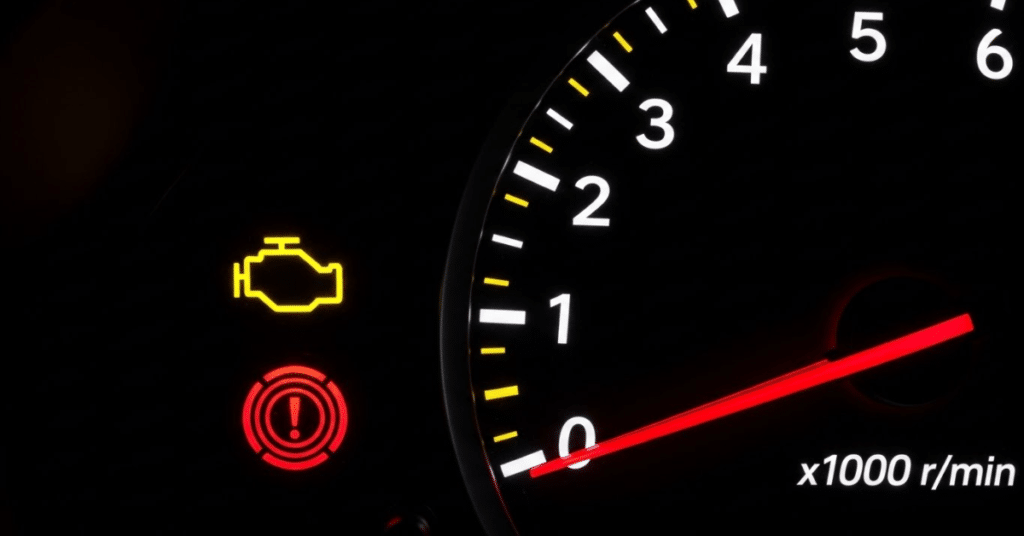
The “check engine” light can scare many drivers, even if the car still feels normal. You may see the light turn on as you go to work, school, or the grocery store.
In that moment, you wonder: Is it safe to keep driving? This guide explains everything in simple words, helping you make smart choices without stress.
What the Check Engine Light Really Means
When the check engine light turns on, it indicates that your car’s system has detected an issue. The car may not always show signs of trouble, but the computer senses a change.
The light is a signal, not a danger by itself. Think of it as your car saying, “Please check me soon.”
The warning is part of the onboard diagnostic system. This system watches engine performance, emissions, sensors, and many other parts. When something goes out of range, even a small thing, the light turns on.
Many check engine problems are simple. They can be fixed fast and do not mean your car is unsafe right away. But some issues need quick attention to avoid bigger damage.
Two Types of Check Engine Lights: Solid vs. Blinking
1. Solid Check Engine Light
A solid light means a minor issue. The car can still run, and you may not feel a difference in driving. It is usually safe to keep driving for a short time.
But you should get it checked soon, so the problem does not grow.
2. Blinking Check Engine Light
A blinking light is more serious. It means something is happening right now that can harm the engine. It often points to misfires or unburned fuel going into the exhaust system.
If you keep driving with a blinking light, the damage can become costly.
When the light blinks, slow down, stop safely, and call a professional. Your car will thank you later.
Common Reasons
Many things can trigger the warning light. Here are the most common, explained in simple words:
Loose or Faulty Gas Cap
The gas cap keeps fuel vapors inside the tank. If it is loose, missing, or cracked, the system detects a leak. This is one of the easiest fixes.
Oxygen Sensor Issue
The oxygen sensor checks the amount of oxygen in the exhaust. If it fails, fuel use increases and the car becomes less efficient.
Faulty Spark Plugs or Ignition Coils
Spark plugs help the engine burn fuel. Old or faulty plugs cause misfires. This is also a common reason for rough driving or slow acceleration.
Mass Air Flow Sensor Problem
This sensor measures air entering the engine. If it fails, the car may consume more fuel or feel sluggish.
Catalytic Converter Trouble
The catalytic converter reduces harmful emissions. Issues with this part often happen when smaller problems are ignored for a long time.
Vacuum Leaks
Your engine needs the right air pressure to run smoothly. A small leak in a hose can trigger the warning light.
Each issue can be fixed, but knowing the cause early saves time, money, and stress, and getting timely checks from Auto Repair Abu Dhabi can make the process even easier.
Is It Safe
The short answer is: it depends on the type of light and how the car feels.
Here are simple rules to help you stay safe:
Safe to Drive for a Short Time
- The light is solid, not blinking
- The car drives normally
- No strange smells, smoke, or sounds
- Fuel consumption seems normal
In this case, you can drive calmly to your home or directly to a workshop. There is no need to panic.
Not Safe to Drive
- The light is blinking
- The engine shakes or misfires
- You hear knocking or loud noises
- The car slows down
- There is a burning smell
If you see these signs, stop the car safely. Driving further can damage the engine or catalytic converter.
What You Should Do When the Light Comes On
The best thing you can do is follow simple steps. These steps help protect your car and keep you safe.
1. Stay Calm
The check engine light does not mean the car will break down right away. Staying calm helps you think clearly.
2. Check the Gas Cap
Pull over safely and tighten the gas cap. Sometimes this alone solves the issue. After driving for a while, the light may turn off.
3. Listen to the Car
Pay attention to how the engine sounds. If something feels off, treat it as urgent.
4. Reduce Speed
If the light stays on, drive slower than usual. This reduces stress on the engine.
5. Avoid Heavy Loads
Avoid towing, racing, or driving uphill for long periods until the issue is checked.
6. Visit a Professional
A trained mechanic can scan the car’s computer and find the exact cause. This saves time and prevents guessing.
Why You Should Not Ignore the Light
Ignoring the check engine light can lead to bigger problems. Small issues grow when left unchecked. Here is what may happen when you wait too long:
- Higher Repair Costs: A small sensor problem can turn into damage to the catalytic converter, which is expensive to fix.
- Poor Fuel Economy: A faulty sensor or plug can make the engine burn more fuel.
- Reduced Engine Life: Driving with misfires or leaks stresses the engine.
- Lower Car Performance: Acceleration may drop, and the car may feel heavy or slow.
Fixing small problems early keeps your car strong and healthy.
How Mechanics Check the Problem
Modern cars have computers that store error codes. A mechanic uses a diagnostic scanner to read these codes. The scanner tells the exact part or system causing the issue.
The process is simple:
- Plug the scanner into the car
- Read the code
- Check the part
- Fix or replace it
This fast process helps you get your car back in top condition without delay. Most checks take only minutes, making the solution easy and stress-free.
How to Prevent the Check Engine Light from Coming On
You can avoid many problems by following simple habits:
- Regular Maintenance: Follow your service schedule. Oil changes, filters, and spark plugs keep the engine clean and strong.
- Use Good Fuel: High-quality fuel reduces carbon buildup and keeps sensors clean.
- Check the Gas Cap Often: Make sure it is tight after every fuel stop.
- Take Care of Warning Signs: If you notice strange sounds, smells, or rough driving, get the car checked early.
- Keep Sensors Clean: Many workshops clean sensors during service. This prevents false alarms.
Taking care of your car makes driving smooth and enjoyable.
Driving in Abu Dhabi: Why the Check Engine Light Matters Even More
Abu Dhabi’s hot climate and long drives can make small engine issues bigger. Heat affects sensors, wires, and fuel systems. Many drivers take long routes daily, and small issues become more obvious during long drives.
The check engine light helps you catch problems early, before the heat worsens them. Simple checks and early repairs keep your car strong in the hot weather.
When You Must Stop Driving Immediately
Even with a solid light, certain signs tell you to stop right away:
- The temperature gauge gets high
- You smell burning
- Smoke comes from the hood
- The car does not accelerate
- The engine knocks or shakes hard
If these happen, stop safely, turn off the engine, and call for help. Your safety matters most.
Read Also: How to Calculate Mortgage in UAE (Easy 2026 Buyer Guide)
Final Thoughts
The check engine light is not something to fear. It is a helpful reminder from your car. When it turns on, stay calm, check simple things, and get help if needed.
Most issues are mild and can be fixed quickly. Paying attention early makes driving smooth, safe, and stress-free.
Whether the light is solid or blinking, knowing what to do saves time, money, and worry. Your car works hard every day, and a little care keeps it running great for years.
If you see the check engine light today, follow the steps in this guide. Your car will thank you with better performance and a longer life.