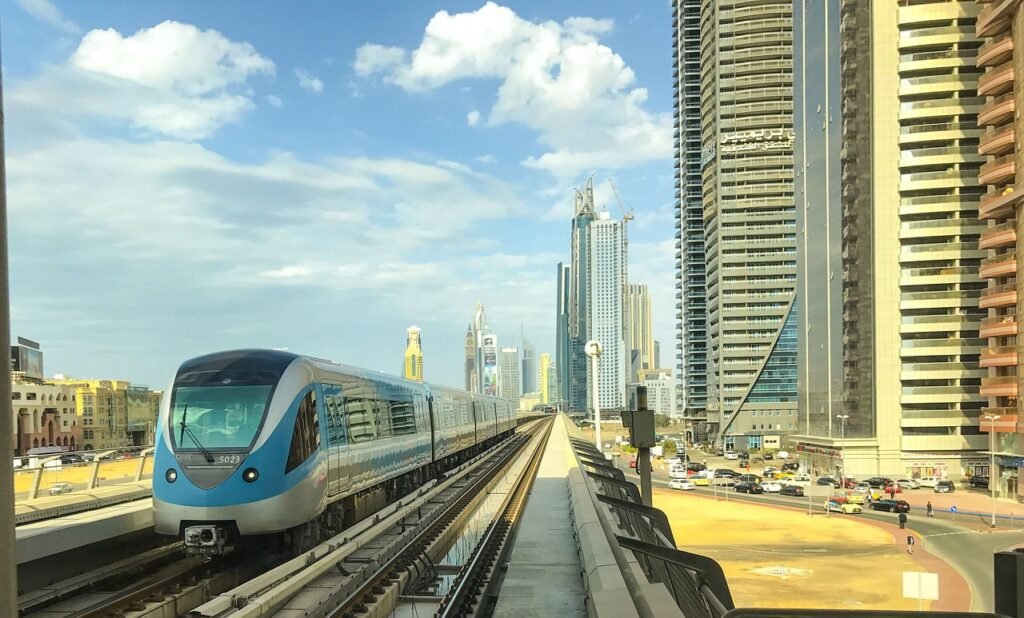
The first time visiting such a country as the UAE may be a challenge. The checklist below will put you through the most necessary steps to follow after the landing.
1. Landing: Start with the Simple Things
Upon your arrival in the UAE, the airport is full of lights, there are loud noises, and signs of you are not familiar with yet. You should look at three things on the verge of walking out; the entry stamp or e- visa on your passport, health insurance, and the address of your hotel or apartment written down visibly.
2. Moving Around: Don’t Let Distance Control Your Week
The Emirates look compact on a map, but distances between malls, offices, and beaches can feel longer on a hot afternoon. That is why many newcomers start their stay with a car rental in Dubai. A dependable car rental company provides you with some sort of elastic foundation: you can get to the hotel, move to the business district in the daytime and to some waterfront walk or a residential neighborhood in the evening without reinventing the entire whole day around taxi lines. To others, renting a luxury car is just enough to keep up with the urban speed; to some, renting a compact car already provides them with enough freedom.
3. Where You Sleep: Location Is Half the Comfort
A less bustling Sharjah, Ajman or a more placid section of Abu Dhabi is trading some of that pace to the noise reduction and something more local. To the tourist, being within an easy reach of one major hub tends to make life relatively easy: you can hire a car, drive out to the key attractions and then get back to base without the need to check the map after every (hour).
4. Money, SIM Cards, and Small Frictions
Small sources of stress are better to be eliminated during your first week. Before coming to the hotel, open a multi-currency card or check the fees of your bank. The ATMs are conveniently located in shopping centers and subway stations, yet the cost of using them internationally can be expensive.
Get a local SIM card at the airport or in a large mall, meaning you can always tap a button to get navigated, use ride-hailing apps, and contact of any car rental company. It is the other items on the checklist that seem less pressing after you are stable with your phone, bank card, and accommodation.
5. Time by the Water: A Quiet Psychological Tool
It is known that the UAE boasts of towers and shopping malls, and the water quietly works differently. Even working in Dubai Marina during a stroll or taking a moment at the Creek or a bench at Corniche will function as a kind of soft reset button.
The stress levels and overall mood of individuals who regularly spend time near water are often lower and improved by the researchers who investigate the so-called blue spaces, which are the places near lakes, rivers, or seas.
A day of shapes, conferences, new people, a half-hour of silence by the Gulf will put you back on your feet, get your priorities straight, and get your decisions taken with the minimum of psychological din. You will not get all the problems fixed back there, but you come back to the hotel with a cleaner interior page.
6. Meetings, Services, and Everyday Business
In the event that you arrive to work, during the first week, you will have meetings with banks, free zone offices, schools, or prospective partners. In this case, a rented car is once again more than transportation. You can make three or four calls in other parts of town and remain more or less on time. To hire a car that suits this lifestyle.
The service culture in the UAE is considered to be good. International visitors use hotels, clinics, desks of car rental services and government centres. Nevertheless, it is always better to come five or ten minutes in advance, shake hands and maintain some hard copies of any significant letters. It makes an unspoken rule that you are not wasting their time, and the city tends to reply similarly.
Read Also: Dubai vs India: How Close Are They Really?
7. A Simple Checklist, Not a Perfect Plan
No list will capture every twist of your first week in the UAE. A metro delay, an unexpected invitation, or one overlong dinner can change the shape of a day. That is normal.
Your actual agenda is less complex: validate your documentation, find a nice place to stay, arrange flexible transportation, establish money and a SIM card, and provide your mind with one idyllic location on the water. When you do these things, you will be able to allow the rest of the week to run in its own slightly erratic line.
The nation will remain sunny, quick, and contemporary. That energy, however, you encounter on your own terms with a clear checklist and a little freedom on the road, not necessarily as a tourist passing through, but as a person already knowing how to live here, in spite of having seen it only seven days.