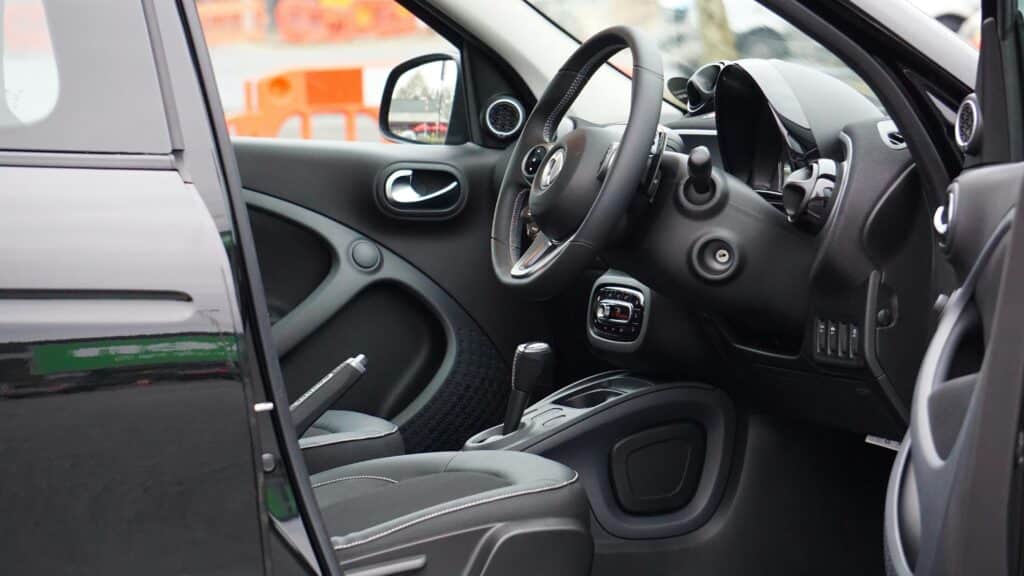
The modern automobile has evolved far beyond the mechanical machines of the past. Today, your vehicle is essentially a high-powered computer on wheels, relying on kilometers of intricate wiring, dozens of advanced microprocessors, and a vast network of sensitive sensors that manage everything from your engine’s fuel injection to your adaptive safety features. While this digital evolution makes cars smarter, safer, and more fuel-efficient, it also introduces a completely new set of challenges when things go wrong. An electrical glitch can manifest in bizarre ways—a random dashboard warning light that disappears the next day, a window that refuses to roll up, or an engine that hesitates to crank. Because these systems are so tightly integrated, guessing at the root cause can lead to frustrating, expensive errors. When your vehicle starts exhibiting strange digital behavior, skipping general garages and turning to specialized auto electrical services is the most critical step you can take to protect your vehicle’s delicate electronic architecture.
Understanding the backbone of your car’s electrical system makes it much easier to decipher the warning signs your vehicle gives you before it leaves you stranded. The system operates as a continuous loop powered by three main components: the battery, the alternator, and the sensors that monitor their health. When one piece of this puzzle weakens, the entire system suffers.
Here is a practical breakdown of how to identify the real culprit behind your car’s electrical glitches.
The Ultimate Showdown: Dead Battery vs. Failing Alternator
When you turn the key or push the start button and nothing happens except a faint clicking sound, you are dealing with a core power failure. The big question is: is the battery dead, or is the alternator failing to charge it?
- The Battery’s Role: Your car battery is a storage device meant to provide a massive burst of electrical current to the starter motor to crank the engine. Once the engine is running, the battery steps into a secondary role. If your battery is dying, you will notice a slow, sluggish engine crank in the mornings, dim interior lights before the engine starts, or a powdery white residue (corrosion) building up around the battery terminals.
- The Alternator’s Role: The alternator is the true powerhouse. While the engine is running, the alternator generates electricity to power your headlights, radio, air conditioning, and computer modules, while simultaneously replenishing the energy the battery lost during startup. If the alternator is failing, your engine might crank perfectly fine, but the car will die shortly after starting because it is running purely on leftover battery juice until it drains completely.
Why You Shouldn’t Ignore Flickering Dashboard Lights
One of the most unsettling electrical symptoms is a dashboard that begins to behave like a strobe light, or a radio screen that suddenly reboots itself while you are driving down the highway.
This behavior occurs because modern automotive computers are highly sensitive to voltage fluctuations. Your car’s Engine Control Unit (ECU) requires a rock-steady supply of roughly 12.6 to 14.5 volts to function correctly. If the alternator’s voltage regulator begins to fail, it can send erratic spikes or drops of electricity through the wiring harness.
When the voltage drops below a specific threshold, the vehicle’s computers enter a self-preservation mode, systematically shutting down non-essential electronics to keep the engine running. If you ignore these flickering warnings, the erratic voltage can eventually fry the delicate circuit boards inside your expensive control modules.
Phantom Draws and Sensor Glitches
Sometimes, the battery and the alternator are in perfect health, yet you still wake up to a completely dead car every single morning. This phenomenon is known as a parasitic draw.
What is a Parasitic Draw? A parasitic draw happens when a vehicle computer module fails to go to “sleep” after you park and lock the car. Instead of drawing a tiny, harmless amount of standby current, a glitching sensor, a stuck relay, or an aftermarket alarm system continues to pull heavy amounts of power from the battery overnight, draining it completely by morning.
Pinpointing these issues requires a systematic approach using a digital multimeter to measure current draw across individual fuses until the offending circuit is isolated.
Read Also: UAE Tax Residency Certificate: Apply & Get TRC Fast
Stop Guessing: The Power of Advanced Diagnostics
The old-school method of diagnosing automotive issues by simply swapping out parts until the problem goes away does not work on modern vehicles. Replacing a perfectly good battery when the real issue is a frayed ground wire or a corrupted sensor wheel hub will only waste your time and money. Because automotive electronics are deeply interconnected, an electrical short-circuit in your power seat module can theoretically disrupt the digital data stream on the CAN-bus network, triggering an unrelated check engine light on your dash.
Resolving these complex digital puzzles requires advanced diagnostic oscilloscopes and factory-grade scanning tools that can read deep live-data streams from your car’s computers.
Rather than trying to self-diagnose complex wiring issues on your driveway, trust the experts who have the technical training and infrastructure to map out the fault precisely. By visiting alzaabiautocare.com, you can connect with master technicians who specialize in tracing intricate wiring problems, calibrating sensitive modules, and performing precise electrical repairs. Don’t let a minor digital glitch turn into a major mechanical headache. Schedule your comprehensive electrical health check today and secure the definitive car electrical repair mussafah required to keep your vehicle’s advanced systems operating smoothly and safely.