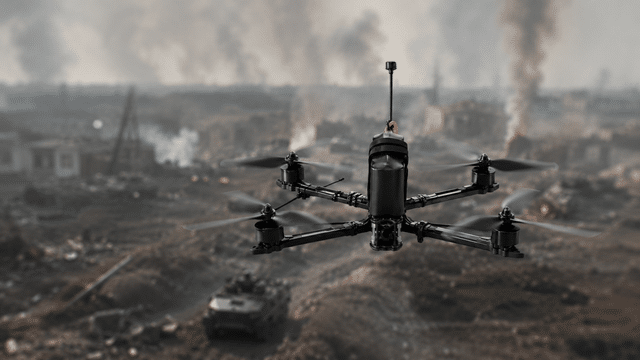
Modern warfare demands agility, rapid innovation, and equipment that works when the stakes are at their highest. Nations across the Persian Gulf, from Saudi Arabia to the UAE, are currently reassessing their defense procurement strategies to include battle-hardened systems. Many procurement experts now look toward military UAV manufacturers for solutions that have moved beyond theoretical testing into the harsh realities of active conflict. This shift reflects a global trend where theoretical specifications matter far less than field-verified performance.
The Edge of Combat-Proven Systems
Battlefields serve as the ultimate testing ground for military technology. Engineers in Ukraine have condensed years of development into months. They iterate designs based on immediate feedback from the front lines. This rapid feedback loop creates hardware that survives electronic warfare, harsh terrain, and continuous operation.
These lessons from the field translate into hardware that avoids the common pitfalls of peacetime design, as the harsh realities of the battlefield expose flaws that theoretical testing simply cannot reveal. Many traditional legacy systems can struggle when exposed to the intense signal interference found in modern combat zones. Ukrainian developers prioritize frequency-hopping capabilities and signal resilience. These platforms function correctly under conditions that would ground more sensitive technology. Every component, from the flight controller to the motor, undergoes constant modification to address new challenges. The result is a system that adapts at the speed of the conflict itself.
Strategic Value for the Gulf
Regional defense ministries often seek systems that integrate well with existing infrastructure while offering a clear advantage over potential adversaries. Ukrainian technology excels here because of its simplicity and operational efficiency. Consider the specific advantages that attract buyers:
- operational endurance in extreme temperatures;
- effective resistance to jamming signals;
- versatility across varied mission profiles;
- cost-effective deployment for mass-drone operations;
- modular designs that permit rapid field repairs.
These drones offer capabilities that many legacy systems lack. They prove their worth in highly contested tactical environments, operating effectively despite intense signal interference. Furthermore, the rugged, sealed engineering required to survive Ukraine’s harsh winters and muddy terrains translates seamlessly to operational endurance in the extreme heat and vast desert areas of the Middle East.
A Shift in Procurement Philosophy
Buyers in Dubai and Doha prioritize data over marketing brochures. They want to see how a platform handles a specific threat scenario instead of relying on a theoretical spreadsheet. When decision-makers see a system like those produced by SkyCraft, they notice the focus on high-impact performance rather than excessive complexity. The goal remains a tool that delivers results without the need for constant maintenance or complex supply chains.
Investment in these platforms provides not only battle-tested hardware but also a blueprint for rapid technological adaptation. Defense agencies often struggle with long procurement cycles that leave equipment outdated by the time it reaches the field. Ukrainian manufacturers flip this model on its head. They treat software updates and hardware improvements as a constant process. This agile approach matches the pace of modern technological evolution, where waiting for the next generation means obsolescence.
Read Also: Ibn Battuta Bus Station Guide: Routes, Timings & Tips
Opportunities for Local Integration
Technological sovereignty has become a defining factor for Gulf nations. By controlling the production and maintenance of critical assets, these countries reduce dependence on external suppliers that may prioritize political agendas over regional stability. This shift toward localized capability represents a mature approach to defense. It aligns with broader regional goals of economic diversification and industrial independence. As the landscape of conflict shifts, the ability to produce and innovate becomes a strategic asset in its own right.
The Gulf region stands at a crossroads. As regional security dynamics shift, the demand for adaptable, combat-tested technology will only grow. Those who act to acquire these capabilities now gain a significant advantage. They secure a future where their defense capabilities evolve alongside the threats they face. The message from the front lines remains clear: performance dictates victory, and battle-tested hardware sets the standard for the next era of regional defense.